By Propzine – Bengaluru’s Trusted PropTech Platform
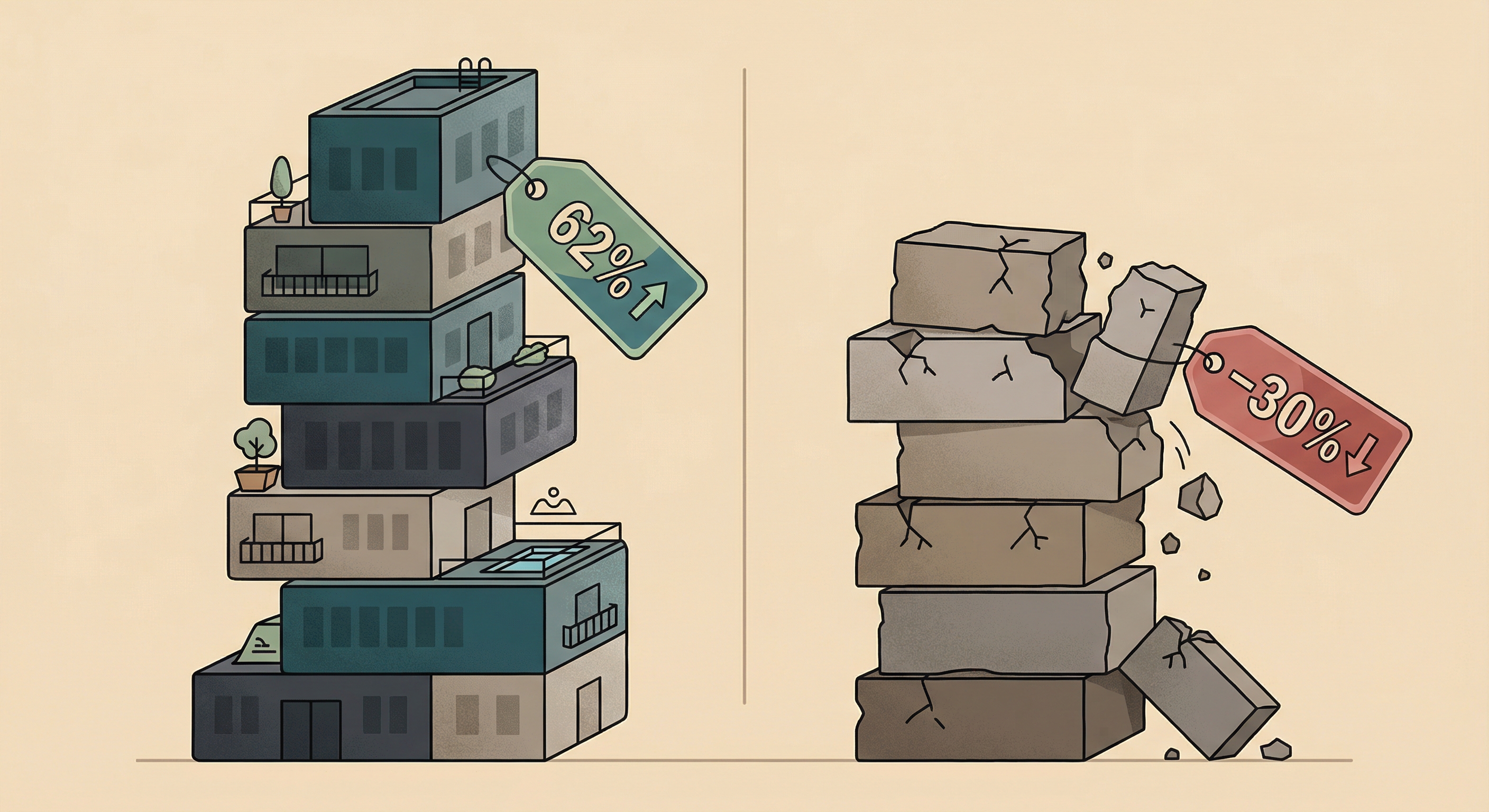
India’s residential market is undergoing one of its most dramatic structural shifts in the past decade. New data released in November 2025 confirms that premium housing demand in India has now overtaken all other categories, with apartments priced above ₹1 crore capturing 62% of total sales between January and September 2025. This marks a steep rise from the 52% share recorded during the same period last year—underscoring a powerful nationwide shift toward bigger, better, and higher-value homes.
At the same time, the affordable housing segment—once the backbone of India’s residential market—has witnessed a sharp 30% decline in sub-₹1 crore home sales. The widening gap between premium and affordable categories reveals changing buyer aspirations, elevated construction costs, and developers’ strategic realignment toward higher-margin luxury supply
For Bengaluru, one of India’s most active premium housing hubs, this trend is both a reflection of evolving lifestyle demands and an indicator of future market direction.
Premium Homes Take Center Stage: What’s Driving the Surge?
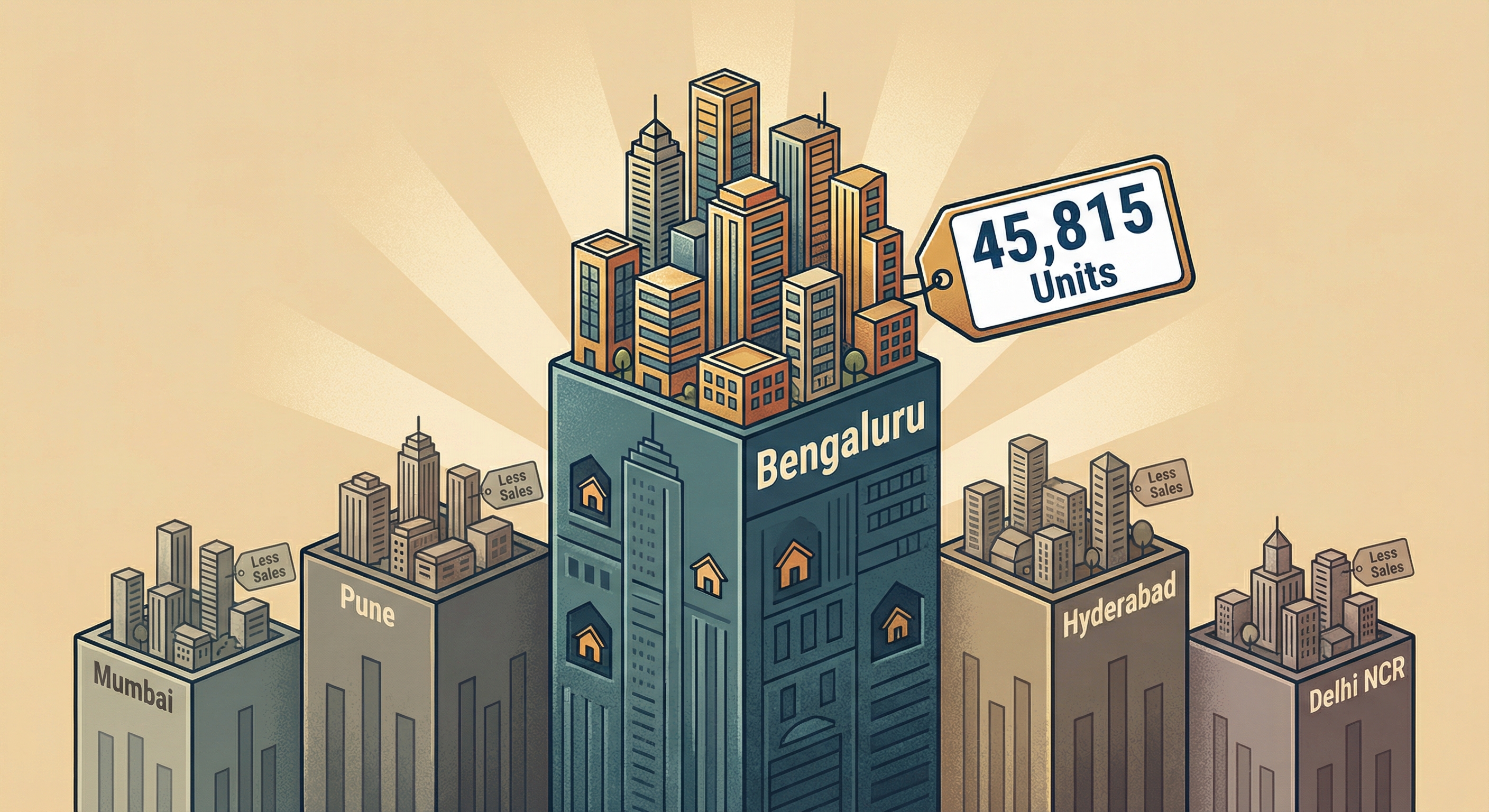
The acceleration of luxury apartment sales growth is no coincidence. Several market forces have combined to push premium housing into the mainstream, resulting in strong performance across metros such as Bengaluru, Mumbai, Pune, and Hyderabad.
One of the standout drivers is the rapid rise of the ₹1.5–3 crore price band, which grew nearly 10% year-on-year, making it the fastest-expanding segment in urban India. This category appeals to upper-middle-class buyers, tech professionals, entrepreneurs, and NRIs seeking quality, space, and long-term appreciation.
The premiumization trend reflects a move away from compact units toward more spacious layouts, community-driven townships, and amenity-rich gated developments.
Affordable Housing Under Pressure: Sales Drop 30% in 2025
While premium homes flourish, the affordable housing sales decline continues to intensify. Sub-₹1 crore homesespecially those under ₹75 lakh have seen sales fall by around 30%, driven by:
• Rising input costs, including cement, steel, and land
• Limited supply in prime job-hub locations
• Withdrawal of government subsidies and incentives in recent years
• Higher interest rates, squeezing EMI-sensitive buyers
• Developers shifting away from low-margin projects
The affordability challenge is structural rather than temporary. With land and construction costs escalating across every Tier 1 market, developers are increasingly reluctant to build low-ticket projects unless supported by government incentives.
Buyer Preferences Are Evolving: Bigger Homes, Better Amenities, Hybrid Workspaces
The shift toward premium living is deeply connected to changing consumer behaviour. Post-pandemic lifestyle expectations continue to influence residential decisions, especially among urban professionals.
Homebuyers are now prioritizing:
• Larger homes with 2.5–3.5 BHK configurations
• Dedicated office/ hybrid workspaces
• Outdoor spaces, balconies, and green areas
• Recreational amenities such as co-working lounges, fitness zones, and community clubs
• Integrated township ecosystems for convenience and security
As technology and hybrid work reshape living patterns, many families now view homes as long-term lifestyle investments rather than just a necessity.
Bengaluru Leads the Premium Housing Upsurge
As India’s technology hub and one of its most aspirational cities, Bengaluru remains at the forefront of the ₹1 crore+ homes sales boom. Micro-markets such as Sarjapur Road, Whitefield, North Bengaluru, and Koramangala are recording sustained demand for premium and luxury inventory.
Key reasons Bengaluru is driving the shift:
• High influx of tech professionals
• Rising disposable incomes
• Strong NRI demand for rental-yield properties
• Rapid development of integrated townships and lifestyle communities
• Buyer preference for smart homes and proptech-enabled ecosystems
For a Bengaluru-based proptech firm like Propzine, these changes highlight the growing importance of data-driven home discovery, digital transactions, and AI-led advisory services.
Conclusion: Premiumization Is Reshaping India’s Housing Market for the Long Term
The fact that 62% of homebuyers now prefer ₹1 crore+ homes signals a major evolution in India’s real estate landscape. While the affordable segment struggles due to rising costs and diminishing incentives, the premium housing category is expected to remain dominant in FY26, especially in metros experiencing lifestyle upgrades and robust job creation.
The luxury apartment sales growth story is not just a momentary spike—it is a long-term structural shift driven by changing demographics, rising aspirations, and developer strategy.
As India moves into its next real estate cycle, premium housing will continue to define demand patterns, pricing trends, and investment flows—reshaping how developers build and how homebuyers live.